
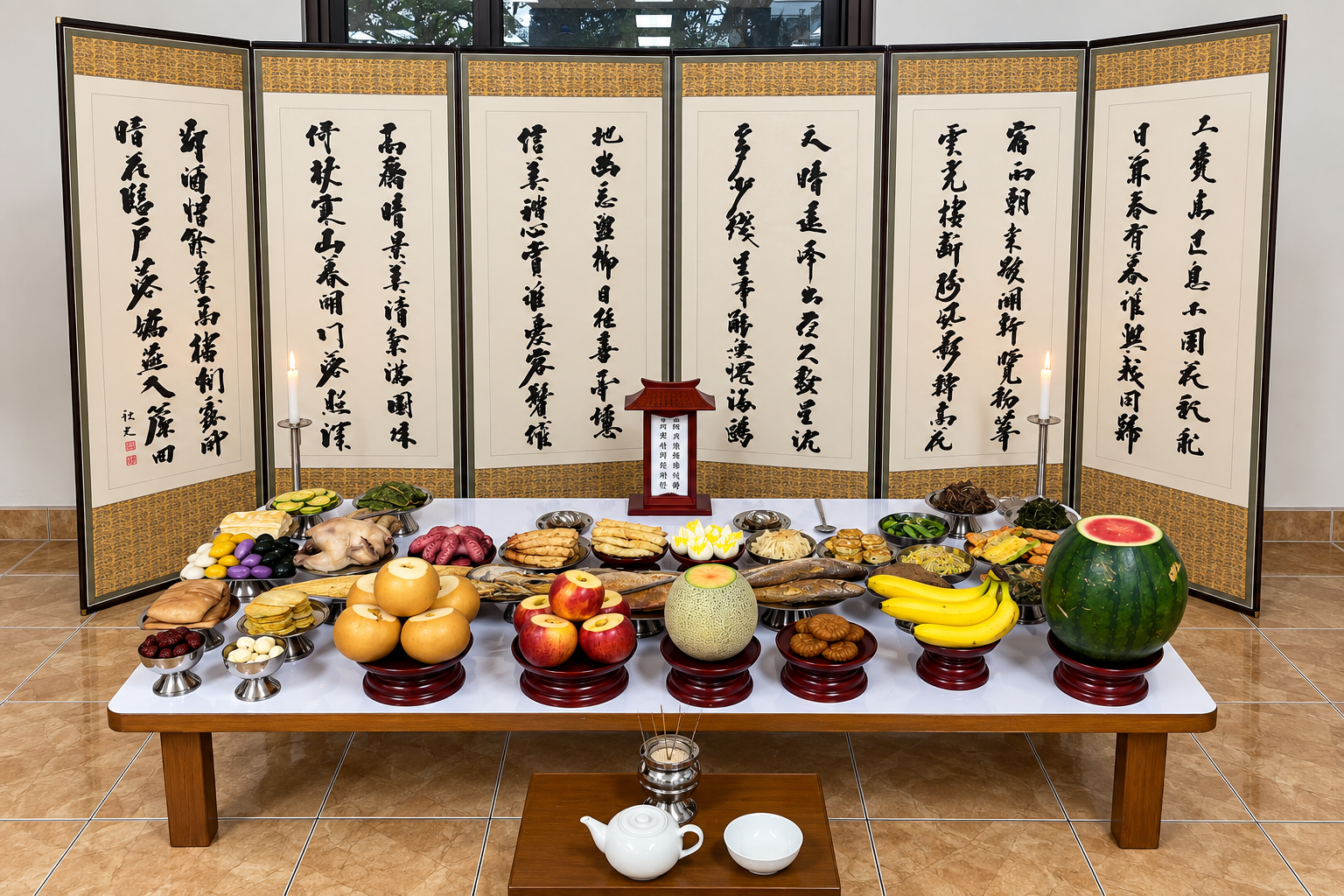
Chuseok is one of Korea’s most important traditional holidays. Often compared to Thanksgiving, it is a time when families come together, share food, and honor their ancestors.
Celebrating Chuseok in Indonesia, however, feels quite different from experiencing the holiday in Korea.
The holiday takes place on the 15th day of the eighth month of the lunar calendar, around the time of the full moon. Traditionally, Chuseok was closely connected to the autumn harvest, when families celebrated the year’s harvest and expressed gratitude for what they had received.
For many Koreans today, Chuseok is still an important time to return home, spend time with family, enjoy traditional food, and remember family members and ancestors who came before them.
Keeping Korean Traditions Alive While Living Overseas
Living and working overseas often means spending important Korean holidays far away from family and home. Chuseok is one of those occasions when the distance from Korea can feel a little more noticeable.
For Koreans working abroad, celebrating Chuseok is not only about having a holiday or enjoying traditional food. It is also a way to remember and continue the traditions we grew up with, even while living thousands of kilometers away from Korea.
At our workplace in Indonesia, we continue to observe Chuseok together. Preparing traditional food and holding a charye, a traditional ancestral memorial ceremony, gives us an opportunity to remember the meaning of the holiday and keep a part of Korean culture with us while living overseas.
It may not feel exactly the same as spending Chuseok with family back in Korea, but continuing these traditions abroad makes the holiday feel a little closer to home.
Celebrating Chuseok at Our Workplace in Indonesia
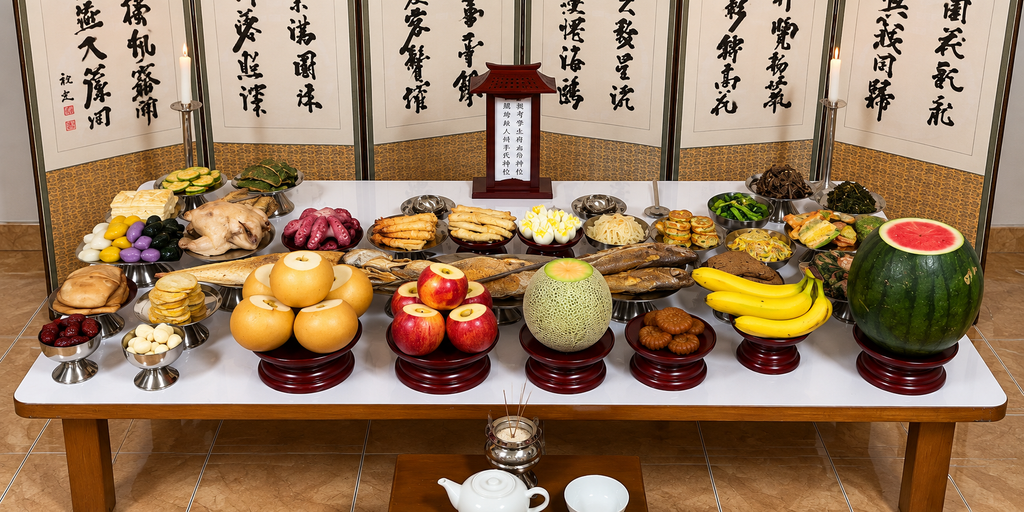
At our workplace in Indonesia, Chuseok is celebrated by preparing a traditional table for charye, an ancestral memorial ceremony that many Korean families have observed during major holidays.
Even though we are far from Korea, the table is prepared with many of the foods traditionally associated with Korean ancestral rites, including fruit, fish, meat, jeon, vegetables, and other dishes.
What makes the experience especially meaningful to me is seeing such a traditional Korean setting here in Indonesia. The folding screen, candles, incense, ceremonial tableware, and carefully arranged food create an atmosphere that feels very familiar, despite being far away from home.
For a short time, it feels like a small piece of Korea has been recreated in Indonesia.
A Small Tradition After the Ceremony
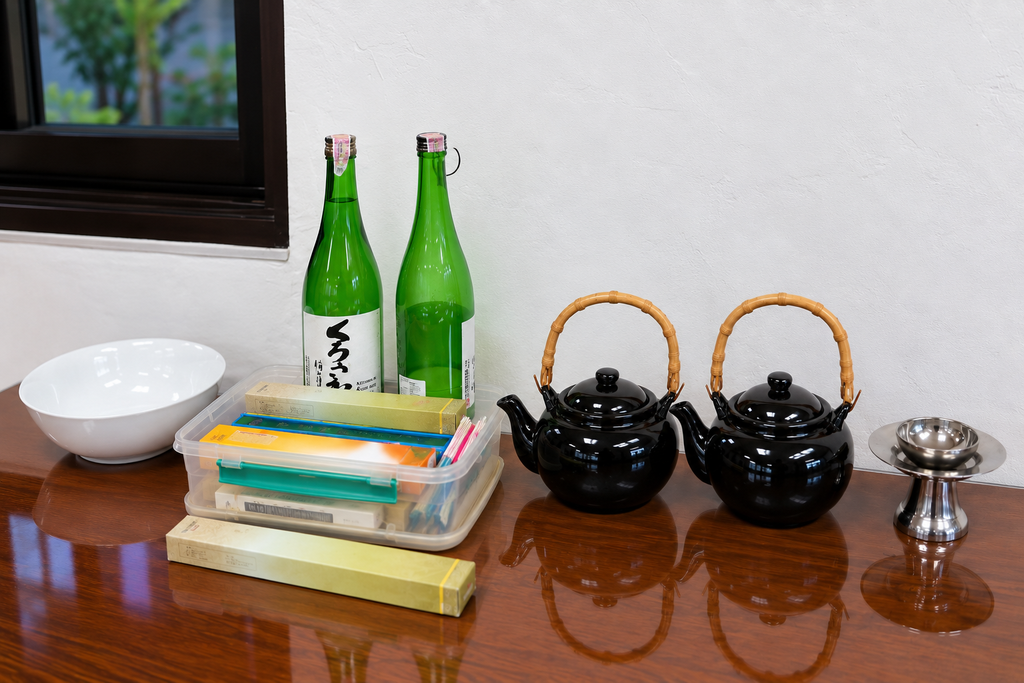
After the charye ceremony, there is also a tradition called eumbok (음복). It refers to sharing the food and drink that were offered during the ancestral rite.
As part of the tradition, we also share a small amount of ceremonial alcohol after the ceremony. It is a simple moment, but it represents sharing the offerings together after paying respect to our ancestors.
A Chuseok Table Away From Korea
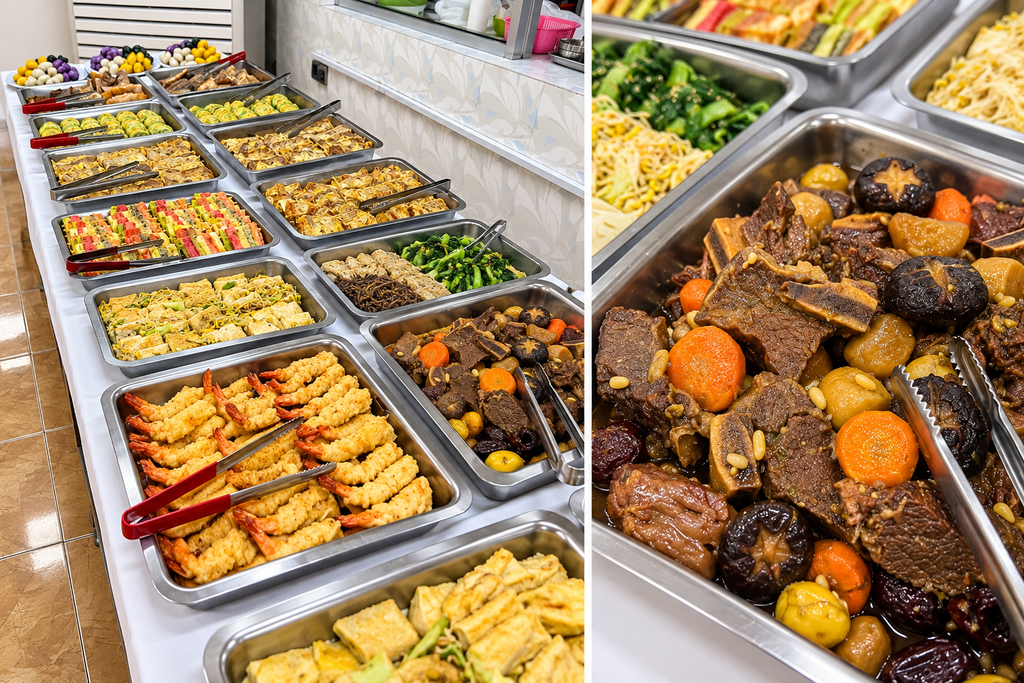
Food is an important part of Chuseok, and preparing the ceremonial table takes a surprising amount of work.
For our Chuseok celebration in Indonesia, a wide variety of Korean dishes were prepared, including jeon (Korean pan-fried dishes), vegetables, meat, fish, fruit, and other foods commonly served during Korean holidays.
What I found interesting was the contrast between the traditional Korean food and our surroundings in Indonesia. Even though we were far from Korea, seeing all of these familiar dishes together immediately created the feeling of a Korean holiday.
After the ceremony, the food was shared together, which is also one of the most enjoyable parts of celebrating Chuseok overseas.
What Chuseok Feels Like When You Live Abroad
Living overseas changes the way you experience traditional holidays.
In Korea, Chuseok is everywhere. Families travel across the country, stores prepare holiday gift sets, and the atmosphere changes as the holiday approaches. But when you live abroad, the world around you continues as usual.
That difference makes celebrating Chuseok overseas feel a little more meaningful. Even a small ceremony, familiar food, or simply sharing the day with other Koreans can remind you of home and the traditions you grew up with.
For me, celebrating Chuseok in Indonesia is not about perfectly recreating the holiday as it would be in Korea. It is about remembering where we come from and keeping a connection to Korean culture, even while building our everyday lives far from home.
Final Thoughts
Celebrating Chuseok in Indonesia is very different from spending the holiday with family in Korea, but that difference also makes the tradition feel more meaningful.
Preparing a charye table, sharing traditional food, and spending time with other Koreans gives us a chance to pause from everyday life and remember a tradition that has been part of Korean culture for generations.
Living overseas means adapting to a different country and culture, but it does not mean leaving your own traditions behind.
For me, moments like this are a reminder that home is not only a place. Sometimes, it can be a tradition, a familiar meal, or a shared experience that brings a little piece of Korea to wherever you are.